
Winter Tires and Used Vehicles in Montreal: Everything You Need to Know
Published on September 8, 2025
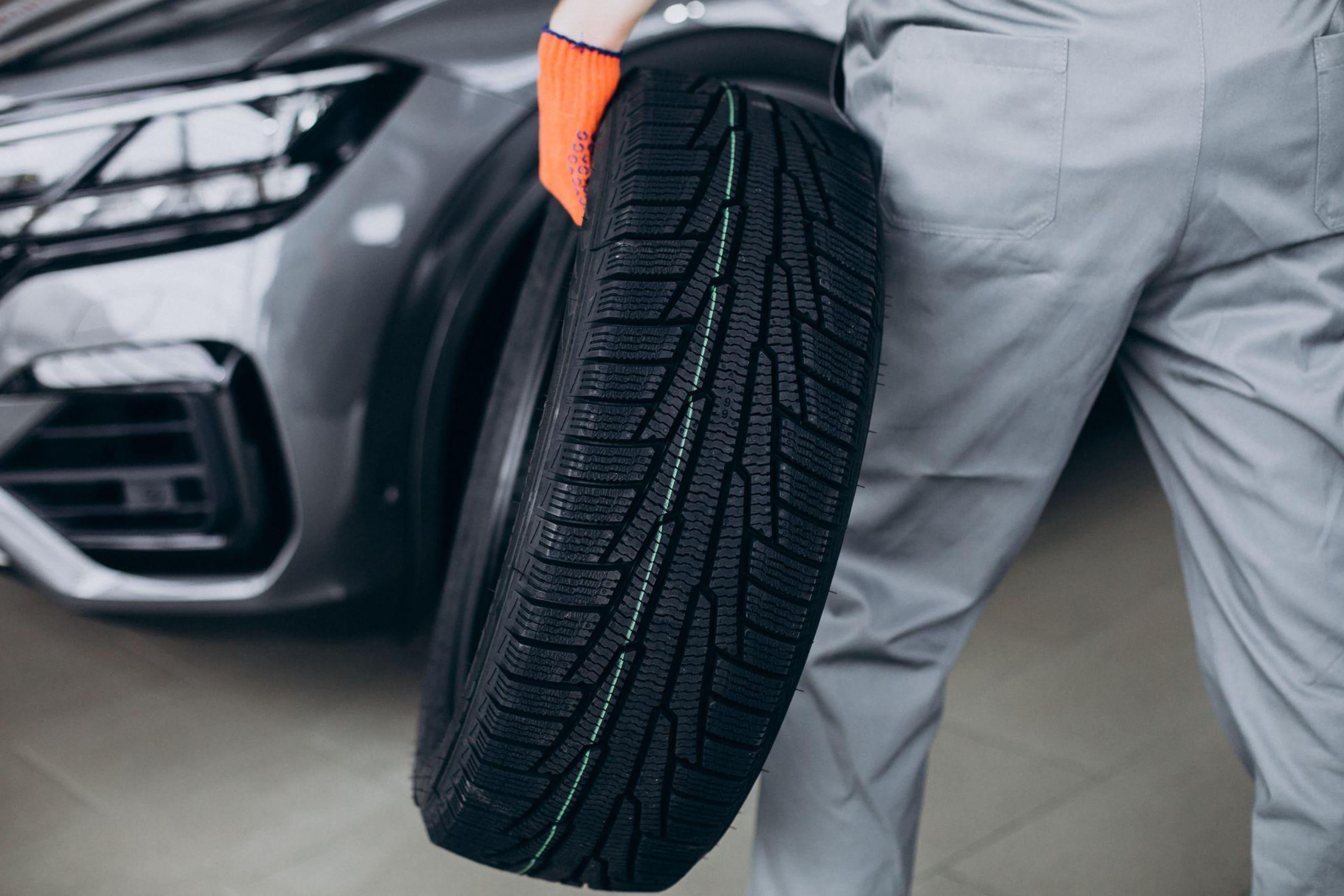
Montreal winter is not a season for the timid. Biting cold, icy roads, snowbanks and corrosive salt - it puts every driver (and every car) to the test. If you own or are considering buying a used vehicle in Montreal, understanding the importance of winter tires is essential.
But beyond the simple legal obligation, knowing when, how and why to equip your car with good winter tires can make all the difference between safe driving and an icy adventure on the road.
In this comprehensive guide, we explain everything: key dates to remember, how to choose the right tires for your used vehicle, mistakes to avoid, and even how to extend their lifespan.
1. Why winter tires are essential in Montreal
Winter in Montreal is more than a season - it's an experience. And without winter tires, it's a… risky experience.
Quebec roads demand optimal grip
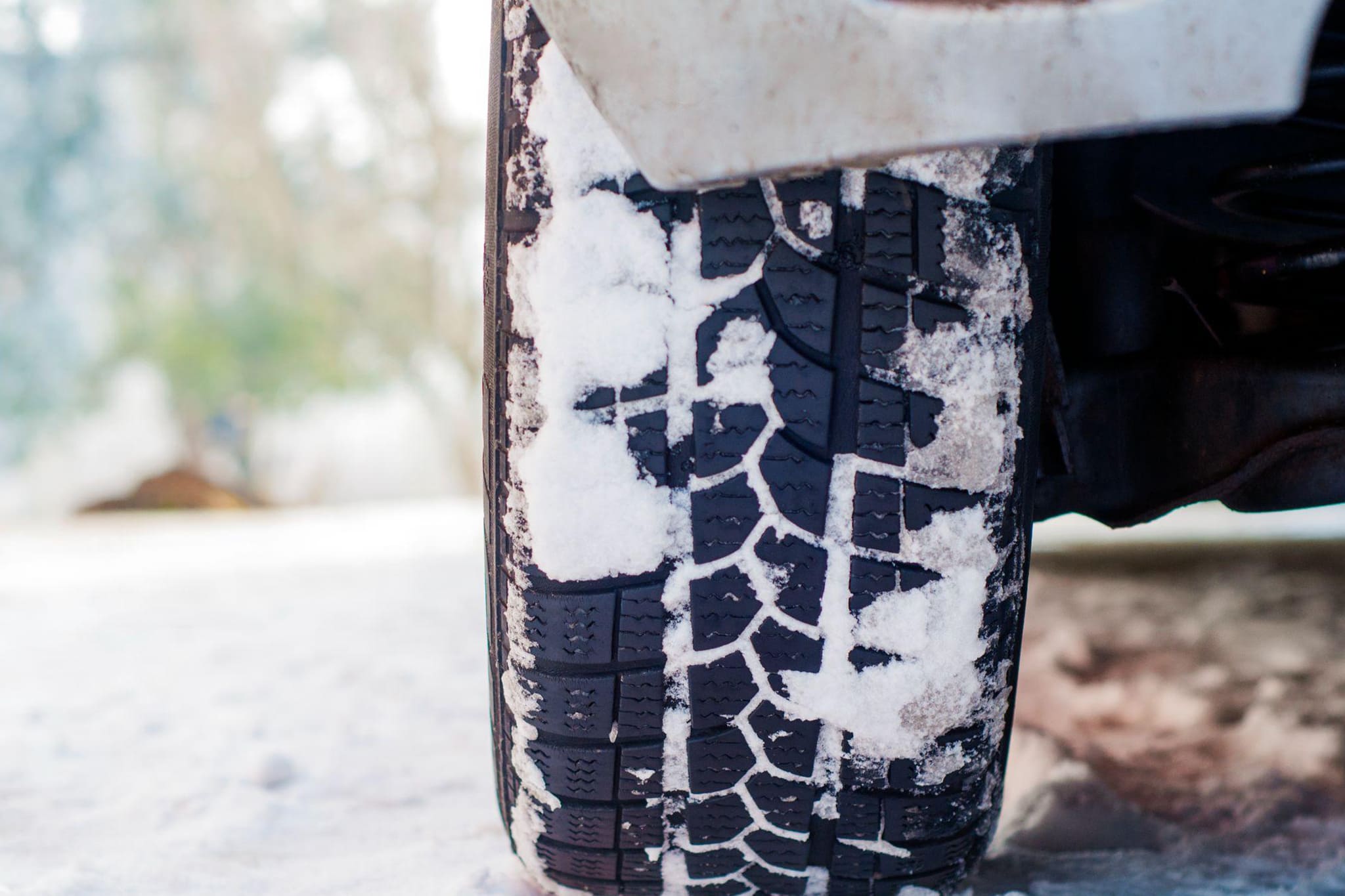
From December to March, Montreal roads alternate between snow, ice, slush and salt. Summer tires harden in cold temperatures, losing their grip. Winter tires maintain their flexibility thanks to special rubber designed for cold. Result: more control, less skidding, and shorter braking on slippery surfaces. Every year, SAAQ publishes statistics confirming it: winter tires reduce accident risks by nearly 40%.
A legal obligation not to ignore
In Quebec, the law is clear: between December 1st and March 15th, every vehicle registered in the province must be equipped with approved winter tires (mountain snowflake symbol). Driving without winter tires during this period can result in a fine of $200 to $300. It can also affect your insurance coverage in case of an accident. Even for a used vehicle, this rule applies without exception.
A profitable long-term investment
Many hesitate to invest in a complete set of winter tires. However: They extend the life of your summer tires. They improve vehicle performance in cold. They increase the resale value of a well-maintained used vehicle. So it's a safety choice, but also common economic sense.
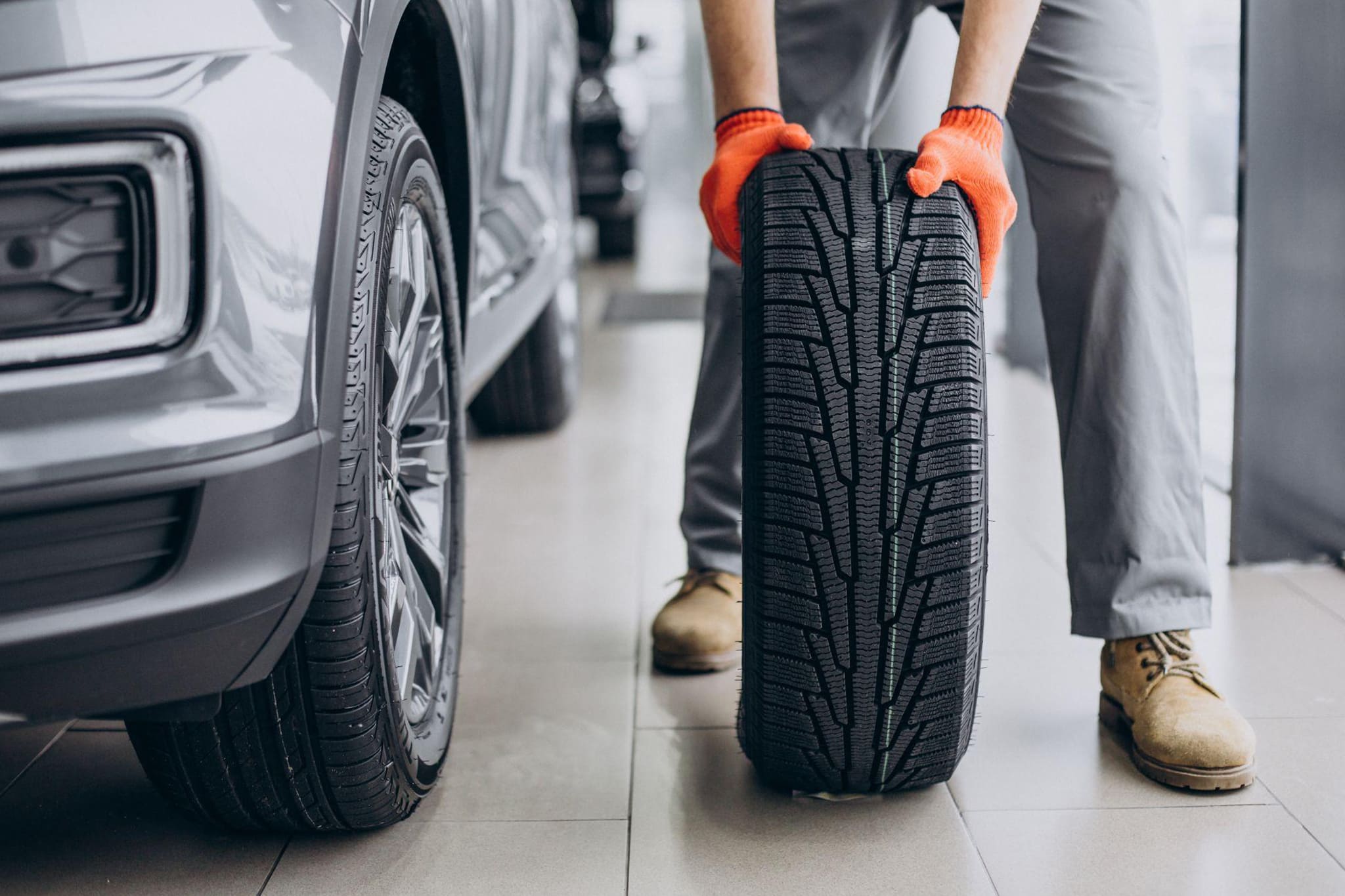
2. Choosing winter tires wisely for a used vehicle
Buying a used vehicle in Montreal often comes with a question: are the included tires still good for winter?
Always check manufacturing date and wear
A winter tire has an average lifespan of 5 to 6 years, even if lightly used. Check the DOT code on the tire sidewall: the last four digits indicate the week and year of manufacture. Example: "3419" = 34th week of 2019. Check tread depth: it must be at least 4.8 mm for good grip. If tires are old or worn, better invest in a new set before the first storm.
Choose between studded or non-studded tires
Studded tires: excellent on ice, but slightly noisier and prohibited after April 30th. Non-studded tires (friction): versatile, quiet, and effective on packed snow. For most urban Montreal drivers, friction tires are the best compromise.
Adapt tires to used vehicle type
Each car reacts differently in winter. Front-wheel drive vehicles need tires with good braking grip. Rear-wheel drive vehicles (like some sport sedans) require high-performance lateral stability tires. SUVs and trucks need robust tires capable of supporting higher weight. Oto Crémazie experts can guide you according to your used vehicle type and driving style.
3. Prepare your used vehicle for winter
Tires don't do everything. A well-prepared used vehicle gets through winter without stress (and without breakdown).
Have brakes and fluids inspected
Before winter, request a complete inspection. Check brake fluid, antifreeze and windshield washer fluid (resistant to -40°C). Make sure brake pads and discs aren't worn. Old or contaminated brake fluid can freeze, reducing your safety. Simple maintenance can prevent costly breakdown in cold weather.
Protect battery and starting system
Batteries lose up to 40% of their power at -20°C. Test voltage before first frost. Clean terminals and tighten connections. If battery is over 4 years old, consider replacing before winter. A healthy battery guarantees you won't be stuck on a January morning.
Wash and protect body
Road salt causes rust - especially on used vehicles. Wash your car regularly, including underneath. Apply protective wax before winter. Consider annual rust treatment. Oto Crémazie experts offer maintenance services to preserve your car's shine and value.
4. Tips to extend your winter tires' life
Well-maintained tires last longer and maintain their performance. Here's how:
Monitor pressure regularly
Air pressure drops with cold: about 1 PSI every 6°C. An under-inflated tire wears faster and reduces grip. Check pressure at least once a month. Consult vehicle manual for ideal pressure. A simple gauge in the car can make all the difference.
Rotate tires
For even wear: Rotate every 8,000 to 10,000 km. Alternate front and rear tires according to manufacturer's recommended pattern. This extends their lifespan and improves vehicle stability on snow.
Store your tires correctly
Once season is over: Clean them to remove salt and debris. Store in a cool, dry place away from sun. Store vertically to avoid deformation. Oto Crémazie even offers tire storage services for convenience.
Conclusion: a confident winter with Oto Crémazie
Montreal winter can be unpredictable, but your safety should never be. With the right tires, regular maintenance and some precautions, your used vehicle will remain efficient, stable and reliable throughout the cold season.
At Oto Crémazie, we understand Quebec climate challenges. Whether you're looking for quality winter tires, complete inspection or advice on car maintenance, our team is here to help you every step of the way.
Prepare your vehicle today - and face winter with confidence.
By OTO CRÉMAZIE
Back to blog