
Preparing Your Used Vehicle for Spring: Complete Maintenance Guide
Published on March 10, 2026

After several long winter months in Montreal, your car deserves a little extra attention. Snow, road salt, freezing temperatures, and potholes put vehicles under a lot of stress during the cold season. When spring finally arrives, it’s important to check the overall condition of your used vehicle to ensure it remains safe, reliable, and enjoyable to drive.
Many drivers assume their car survived winter just fine simply because it still starts without issues. However, some winter-related damage only becomes noticeable once the weather warms up. Rust may begin to appear, the suspension may show signs of wear, and certain mechanical components may require maintenance.
The good news is that a complete spring maintenance check doesn’t always mean expensive repairs. With a few simple inspections and some preventive care, you can extend the life of your used vehicle and avoid larger problems down the road.
In this guide, we’ll explore how to prepare your used vehicle for spring, what to inspect after winter, and why seasonal maintenance is essential for Montreal drivers.
Exterior Vehicle Inspection: Removing the Effects of Winter

After winter, the exterior of a vehicle is often the first area to show signs of wear. Salt, debris, and snow can leave behind damage that becomes more visible once temperatures rise.
Taking the time to inspect the exterior of your used vehicle can help detect small problems early and prevent them from becoming larger issues.
Thoroughly Wash Your Used Vehicle After Winter
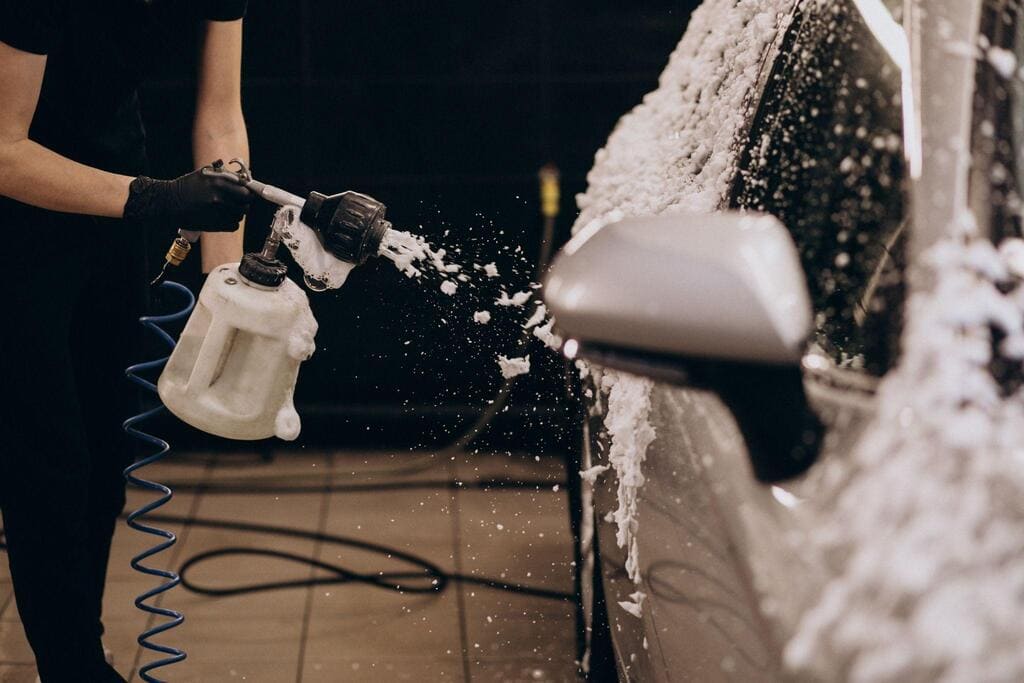
One of the most important steps after winter is giving your vehicle a proper wash.
During the cold months, salt tends to accumulate in several areas of the car:
- Wheel wells
- The undercarriage
- Lower door panels
- Bumpers
If this salt remains for too long, it can accelerate rust formation.
A proper spring cleaning should include:
- A full exterior wash
- Undercarriage cleaning
- Wheel well cleaning
Many car wash stations offer underbody cleaning specifically designed to remove salt buildup from winter roads.
Inspect the Paint and Bodywork
Winter conditions can also cause small paint damage to your used vehicle.
Sand and gravel spread on roads during winter can create:
- Paint chips
- Scratches
- Small dents
Checking these areas is important because paint protects the metal beneath it.
If the paint becomes damaged, the exposed metal may begin to rust.
Pay special attention to:
- The hood
- Front fenders
- Lower doors
- Wheel arch areas
Repairing paint damage early can prevent corrosion from spreading.
Check the Windshield and Wiper Blades
Wiper blades work especially hard during winter.
Snow, ice, and salt can wear down the rubber much faster than usual.
In spring, it’s often recommended to replace them to ensure good visibility.
You should also inspect the windshield for:
- Small cracks
- Stone chips
- Impact marks
Temperature fluctuations can cause small chips to expand into larger cracks.
Essential Mechanical Checks for Your Used Vehicle
Once the exterior inspection is done, it’s time to look at the mechanical components.
Even if your used vehicle seems to run fine, winter conditions may have caused wear on certain systems.
Check Brakes and Suspension
Winter roads often contain potholes, which can affect suspension components.
These impacts may damage:
- Shock absorbers
- Springs
- Ball joints
- Steering components
When driving, watch for warning signs such as:
- Clunking noises
- Steering vibrations
- Reduced stability
Brakes should also be inspected.
Road salt can accelerate the wear of braking components.
Check Fluid Levels
Fluids are essential for the performance and health of your used vehicle.
After winter, it’s a good idea to inspect:
- Engine oil
- Coolant
- Brake fluid
- Windshield washer fluid
Low or contaminated fluids can affect the efficiency of the vehicle.
Many drivers choose to perform an oil change in spring to keep the engine running smoothly.
Inspect the Battery
Cold weather is especially demanding on batteries.
Low temperatures reduce battery capacity and may accelerate wear.
If your used vehicle takes longer to start than usual, the battery may be weakening.
Inspect the battery for:
- Corrosion on terminals
- Loose connections
- Signs of aging
In some cases, replacement may be necessary.
Tire and Safety Checks for Spring Driving
Tires play a critical role in vehicle safety and performance.
After winter, it’s important to make sure the tires on your used vehicle are ready for warmer conditions.
Switch From Winter Tires to Summer Tires
In Quebec, winter tires are mandatory during the cold season.
Once temperatures consistently rise above 7°C, it’s recommended to switch to summer tires.
Winter tires wear out faster in warm conditions.
Changing tires helps:
- Improve traction
- Reduce fuel consumption
- Extend tire lifespan
Inspect Tire Wear
Check the tread of your used vehicle tires carefully.
Uneven wear may indicate:
- Alignment problems
- Suspension wear
- Incorrect tire pressure
The minimum legal tread depth is about 2 mm, but replacing tires earlier is often safer.
Check Tire Pressure
Tire pressure fluctuates with temperature changes.
After winter, ensure your tires are inflated according to manufacturer recommendations.
Proper tire pressure helps:
- Improve fuel efficiency
- Provide better handling
- Reduce uneven wear
Interior Cleaning and Comfort for the New Season
Spring is also the perfect time to clean the interior of your used vehicle.
During winter, snow, salt, and dirt can accumulate inside the cabin.
Clean the Floor Mats and Interior
Floor mats often collect moisture and salt during winter.
A full interior cleaning may include:
- Vacuuming carpets and mats
- Cleaning seats
- Wiping interior surfaces
This keeps the cabin fresh and comfortable.
Check the Air Conditioning System
With warmer weather approaching, air conditioning becomes more important.
Test the system to make sure it works properly.
If the air is not cold enough, the system may require refrigerant recharge.
Replace the Cabin Air Filter
Cabin air filters can collect:
- Dust
- Pollen
- Salt particles
Replacing the filter improves air quality inside your used vehicle and makes driving more comfortable.
Conclusion: Simple Maintenance for a Smooth Spring
Preparing your used vehicle for spring is an important step in maintaining reliability and safety after winter.
By inspecting the exterior, checking mechanical systems, evaluating tires, and cleaning the interior, you can prevent many problems and extend the life of your vehicle.
A complete spring maintenance routine typically includes:
- Washing the vehicle thoroughly
- Inspecting body panels and paint
- Checking mechanical components
- Switching tires
- Cleaning the interior
For drivers in Montreal, Oto Crémazie is a trusted local dealership that understands how harsh Canadian winters affect vehicles. Their team can help you find a reliable used vehicle or provide guidance on maintaining your current car so it stays in excellent condition.
With just a few simple checks and preventive care, your used vehicle will be ready to enjoy the roads throughout spring and summer.
By OTO CRÉMAZIE
Back to blog